Description
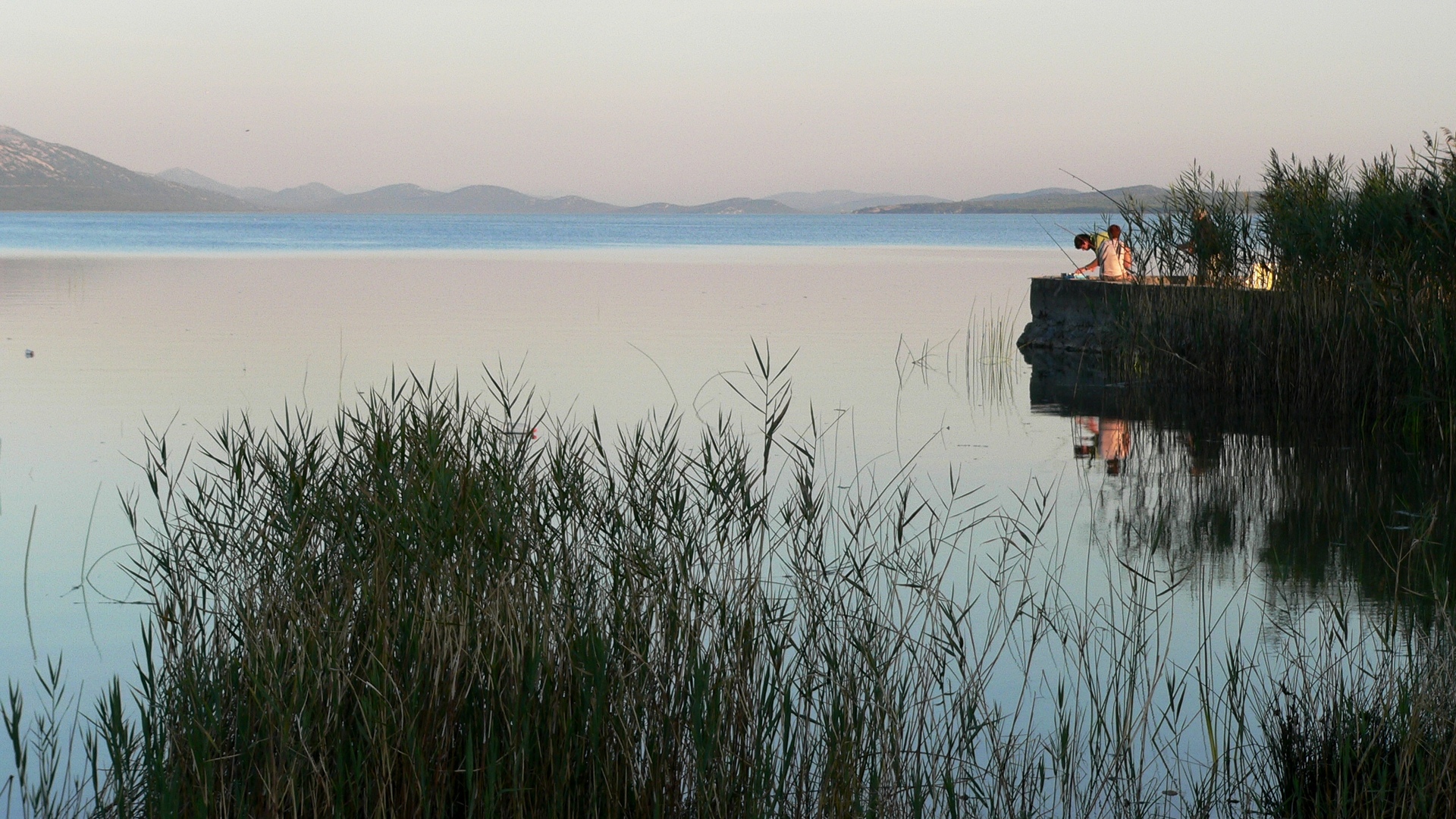
Located along the eastern Adriatic coast, Vrana Lake is Croatia’s largest natural lake and one of the country’s most significant wetland sites. Designated as a Nature Park, a Ramsar site, and part of the Natura 2000 network, it hosts a remarkable diversity of freshwater habitats and species, including rare plants such as Chouardia litardierei and Allium telmatum. Yet, decades of agricultural intensification, land drainage, and the abandonment of traditional grazing have severely degraded these wetlands, leading to shrub and reed encroachment, loss of open habitats, and declining biodiversity.
Through this project, Association BIOM, in partnership with the Public Institution Nature Park Vrana Lake, aims to restore wetland ecosystems and strengthen their long-term resilience. The project aligns with the Nature Park’s 10-year management plan and will adopt a strategic, multi-sectoral approach combining ecological restoration, community engagement, and awareness-raising.
Key activities include mapping and prioritizing degraded sites, restoring at least five priority wetlands through manual clearing, invasive species removal, and reintroduction of native species, and re-establishing traditional grazing practices with local farmers to maintain habitat quality. The project will also explore nature-based solutions, such as planting a green barrier to reduce bird disturbance from nearby traffic, and will build capacity among stakeholders through exchange visits and training on blue carbon offsetting potential.
Beyond restoration, the project will engage communities through a Collaborative Board, support sustainable business models linked to wetland conservation, and promote the ecological and socio-economic benefits of healthy wetlands. By doing so, it aims to serve as a replicable model for Mediterranean karst regions across the Adriatic coast facing similar challenges.
