Description
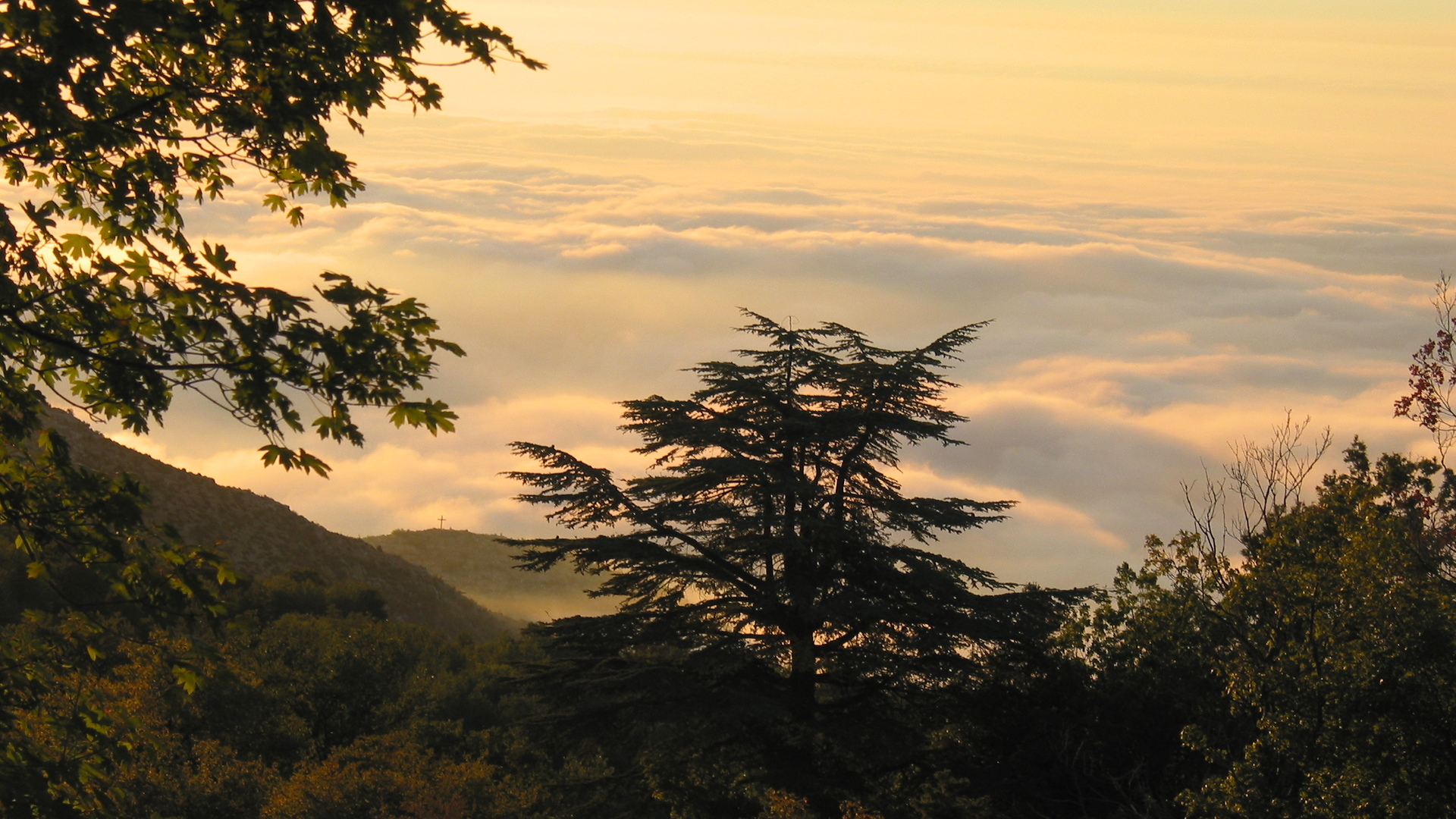
Located on the western slopes of Mount Lebanon, Horsh Ehden Nature Reserve is one of the country’s most biodiverse sites, harbouring over 1,000 plant species including Cedrus libani, Abies cilicica, and Juniperus excelsa. The reserve’s rugged terrain, ranging from 1,200 to 2,200 meters in altitude, encompasses diverse habitats that provide refuge for endemic flora and fauna. However, these ecosystems face growing threats from climate change, water scarcity, habitat degradation, and wildfires. Springs and streams — the main freshwater sources for both wildlife and surrounding communities — have been damaged by erosion, pollution, and overuse, while native vegetation continues to decline under pressure from drought and invasive species.
Through this project, the Horsh Ehden Nature Reserve management team aims to restore freshwater ecosystems, enhance water security, and strengthen ecological resilience through an integrated approach combining hydrological rehabilitation, reforestation, wildfire prevention, and community participation.
The project will rehabilitate four natural springs and one artificial lake, improving water quality, flow, and storage capacity. Around these water sources, 12 hectares will be reforested with 6,000 native trees and shrubs, focusing on drought-resistant species such as Cedrus libani and Quercus kotschyana. To address increasing drought conditions, three new water ponds will be constructed in buffer zones to provide essential water for wildlife during dry seasons. Given the rising risk of wildfires in the region, the project will establish firebreaks over 50 hectares, install a firefighting water system connected to Yahmoura Lake, and train 20 local responders in fire management. At the same time, community engagement will be central to the project: more than 300 residents will participate in five workshops on water conservation, sustainable land practices, and spring maintenance.
Finally, a business plan will be developed to strengthen the reserve’s financial sustainability, with new eco-tourism and environmental education activities projected to generate at least €10,000 annually. This approach ensures that restoration results are not only ecological but also socio-economically durable, securing the long-term conser
